



How lameness affects fertility in dairy cows
How lameness affects fertility in dairy cows
Professor Emeritus Christian Hanzen ·
Studies in loose-housed dairy cattle report lameness prevalences of 21–55%. Farmers can underestimate the problem: depending on severity, one comparison reported estimates of 4.7–19.1% from farmers and 15.1–25.9% from trained observers (Hugginson et al., 2017). Lameness affects reproduction through altered behaviour, persistent stress and inflammation.
Lame cows spend less time eating and ruminating. Around calving this increases the risk of negative energy balance. Conversely, negative energy balance can thin the digital cushion, leaving the foot more susceptible to injury. Lame cows also show less mounting behaviour and shorter oestrus.
Persistent pain and stress can increase cortisol and reduce GnRH, LH, progesterone and oestrogen activity. Anoestrus and reduced fertility may follow. Severe lameness also increases inflammatory markers, including haptoglobin and cytokines such as interferons and interleukins. This may help explain reported benefits of non-steroidal anti-inflammatory treatment.
Chronic lameness during the dry period increases the risk of postpartum metritis. After calving, it is associated with abnormal ovarian activity, including anoestrus and cysts, and makes oestrus harder to detect.
On the farm
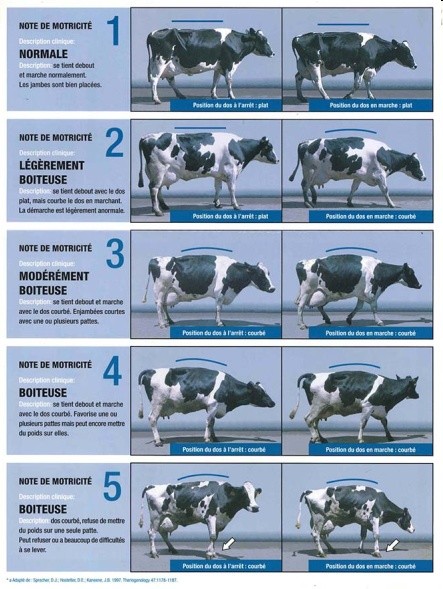
Score locomotion regularly and review findings with the farmer. Assess the ration for risks of acidosis and negative energy balance, and plan preventive hoof trimming.
References
Tsousis G. et al. The negative impact of lameness on dairy cow reproduction. Reprod Dom Anim. 2022;57(Suppl. 4):33–39.